
China Travel Guide
China High-Speed Rail Guide
Rail planning is often the difference between a smooth China trip and a stressful one. Build the route around station scale, passport checks, seat classes, luggage, and realistic arrival buffers.
What this place looks and feels like
The station workflow
When rail beats flying
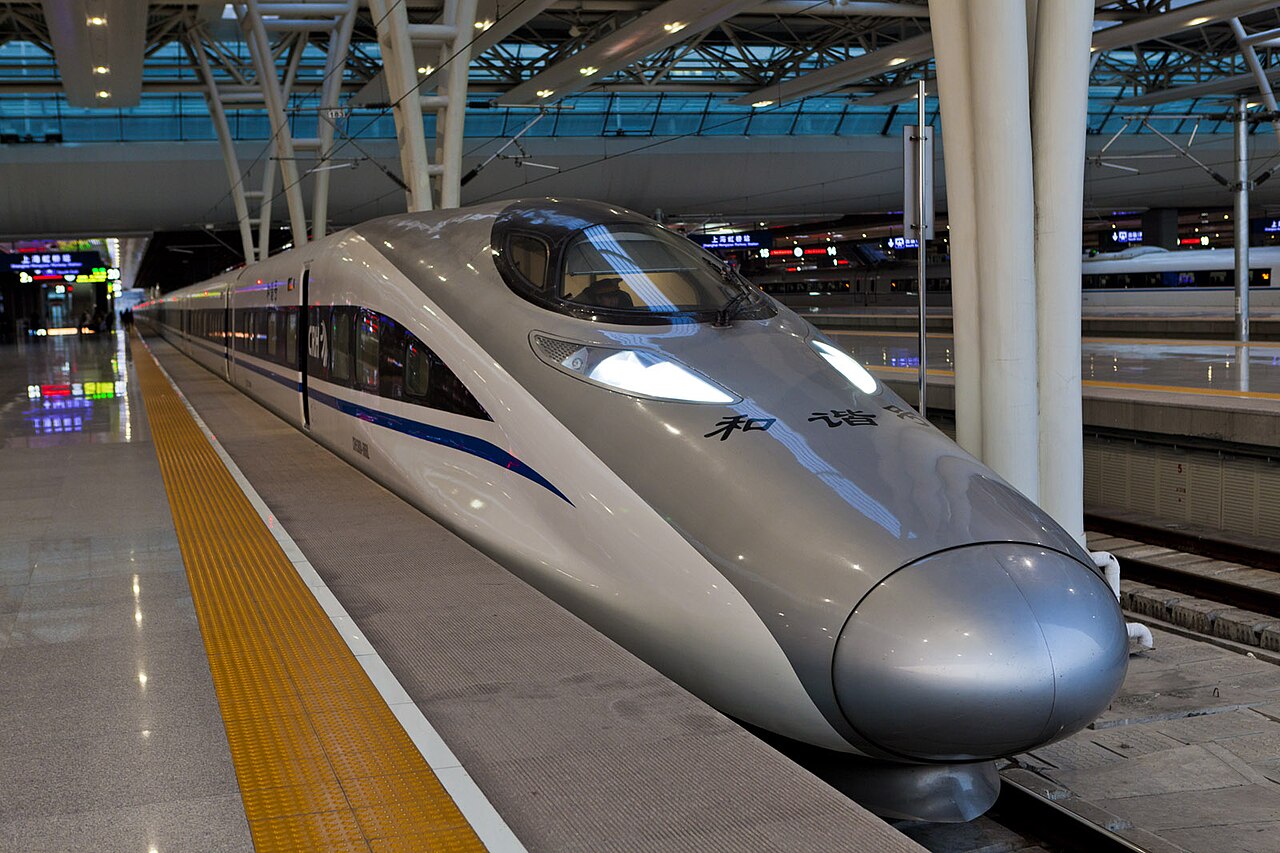
Rail is usually stronger for Beijing-Xi’an, Shanghai-Hangzhou, Shanghai-Suzhou, Chengdu-Chongqing, and Guangzhou-Shenzhen style routes because the total door-to-door process can be simpler than airports. Flights make more sense when the rail leg is very long or when the destination is not well connected by high-speed rail.
Why this stop belongs on the route
Rail planning is often the difference between a smooth China trip and a stressful one. Build the route around station scale, passport checks, seat classes, luggage, and realistic arrival buffers. It is most useful for visitor using rail between cities when the route is built around actual transfer time, reservation rules, and district-level planning rather than around an overextended wish list.
Rail is usually the right default for medium-distance city pairs, but only when the station names, hotel districts, luggage, and passport workflow are handled before travel day.
Decisions to make first
- booking flow
- passport and ID
- station timing
- luggage
- when to choose flights
What to do here
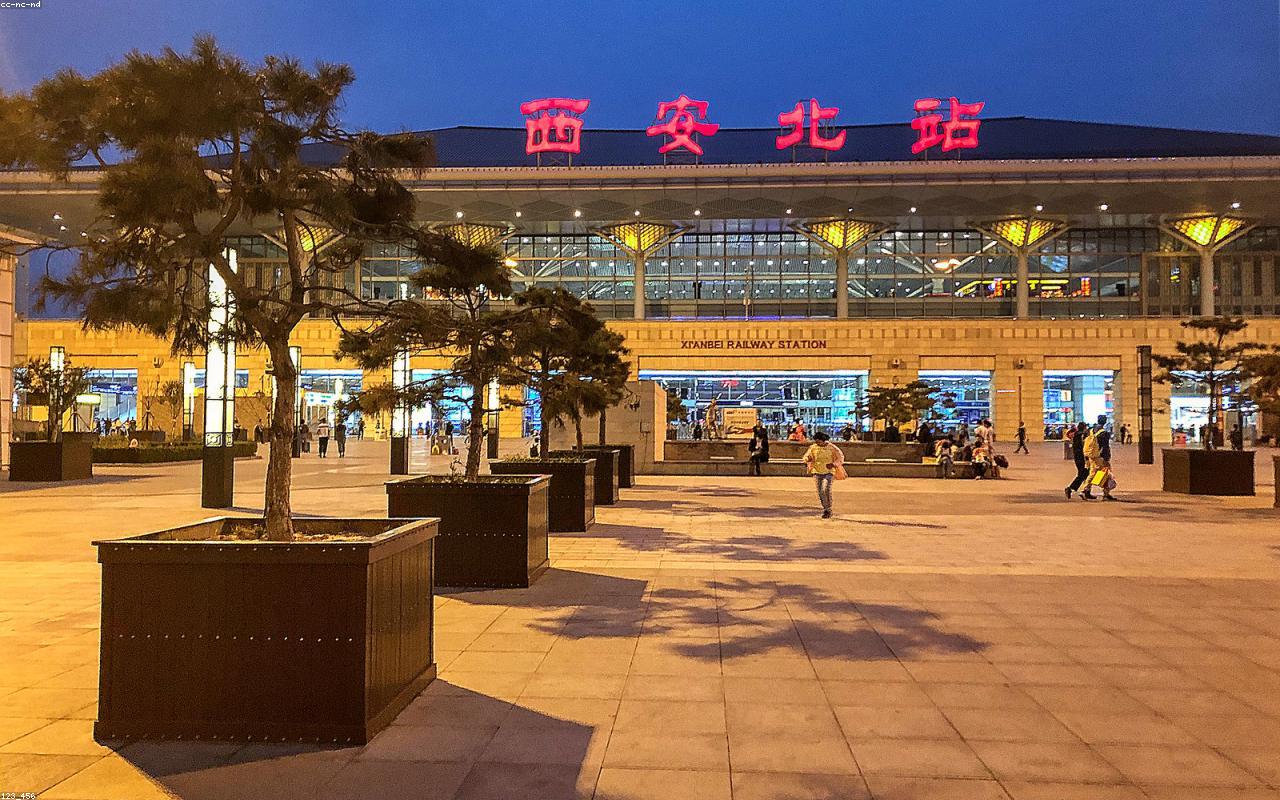
- Check the exact station name because many cities have several large rail stations.
- Keep the passport used for booking available at every ticket and security checkpoint.
- Use second class for most trips, first class for longer comfort, and business class only when budget allows.
How to shape the day
- Book the train after checking both departure and arrival station locations, not just travel time.
- Arrive early enough for large-station security, ID checks, gate changes, and walking distance.
- Choose hotels that reduce the first and last metro or taxi leg around the rail station.
Route shape that usually works
Rail works best for city pairs such as Beijing-Xi'an, Shanghai-Hangzhou, Shanghai-Suzhou, Chengdu-Chongqing, and Guangzhou-Shenzhen.
Suggested pairings
Book hotels with a practical station or metro connection; a cheap hotel far from the station can erase the advantage of rail.
Shorten or skip it if: Use flights instead when the rail journey is too long, the station pair is awkward, or a mountain or far-western destination is not well served by high-speed rail.
Common planning mistakes
- Booking the wrong station because the city has Beijing South, Beijing West, Shanghai Hongqiao, or other similar names.
- Arriving at a major station too late for security and passport checks.
- Choosing flights for medium-distance routes where rail would be simpler door to door.
Booking and logistics checklist
- Check the exact station name in both English and Chinese before travel day.
- Keep a buffer for station entry, security, and gate changes instead of treating rail like a last-minute metro ride.
- Book seat class and departure time around fatigue, luggage, and hotel check-in, not only around the fastest travel time.
Confirm current entry policy, mobile payment readiness, SIM or eSIM access, long-distance transport timing, hotel district, and attraction reservation requirements. Practical claims should still be checked against current operator or official sources before booking because transport procedure, reservation windows, and entry rules can change.
Official references to verify before booking
Use these pages for current rules, operating details, ticketing changes, and transport procedures. Use this guide for planning decisions, then verify the final details before booking.
What this practical guide must solve
China High-Speed Rail Guide: Tickets, Stations, And Routes is a friction topic. The goal is to reduce the chance that a visitor gets stuck at the airport, station, hotel desk, ticket gate, restaurant counter, or payment screen. Treat the guide as a workflow, not a background explainer.
Decision table
| Step | Best action | Fallback | Verify |
|---|---|---|---|
| Before departure | Set up the app, document, route, or payment method while you still have time to troubleshoot. | Keep screenshots, hotel contacts, cash/card backup, and official links. | Current official rules and app prompts. |
| Arrival day | Test the workflow with one small, low-risk action before depending on it. | Use staffed counters, hotel help, airport services, or a simpler transfer. | Data access, passport spelling, card support, and station or airport name. |
| Travel day | Build a buffer for security, identity checks, queues, app verification, or payment failure. | Have a manual route, cash/card, or counter option ready. | Time, location, and live service status. |
First-time visitor workflow
- Confirm the official rule or app requirement before paying for non-refundable plans.
- Save passport spelling, hotel address, station names, booking references, and emergency contacts offline.
- Run a small test after arrival before relying on the workflow during a busy moment.
- Keep one low-tech fallback: cash, physical card, staffed counter, printed address, or hotel help.
Common failure cases
| Failure | Why it happens | Practical fix |
|---|---|---|
| Passport or name mismatch | Different spelling across ticket, hotel, app, or reservation records. | Use the passport spelling exactly and keep screenshots of every booking. |
| Payment or verification failure | Card issuer, app risk control, data access, or merchant support problem. | Try a small test transaction, switch app/payment layer, or use cash/card fallback. |
| Wrong station or terminal | Large cities have multiple rail stations, airports, terminals, or gates. | Check Chinese names, metro line, taxi time, and departure board before travel day. |
| Outdated policy advice | Entry, transport, and payment rules can change faster than evergreen travel posts. | Use official pages and current app prompts as the final source of truth. |
What the collected sources add
- 12306 CHINA RAILWAY: Ticketing
- 12306 CHINA RAILWAY: Endorsement and refund
- 12306 CHINA RAILWAY: Miscellaneous
- China High Speed Train (Bullet Train): Top China High Speed Train Travel Routes:
- China High Speed Train (Bullet Train): China High Speed Train Types
- China High Speed Train (Bullet Train): Ticket Types of China High Speed Trains
- China High Speed Train (Bullet Train): Facilities on China High Speed Trains
- China High Speed Train (Bullet Train): Why travel by high speed trains?
- China High Speed Train (Bullet Train): 1. Fast:
- China High Speed Train (Bullet Train): 2. Punctual:
What to skip
- Skip advice that does not name the current official source or app behavior.
- Skip last-minute setup after landing when the workflow depends on verification, mobile data, or foreign-card support.
- Skip tight station or airport transfers until the route has been tested on a map with real buffer.
Final checklist
- Verify the current rule, app prompt, or operator page close to departure.
- Keep screenshots and offline notes for every critical step.
- Test the workflow once before the first high-pressure moment.
- Carry a fallback that does not depend on the same phone/app/card.
References to verify before booking
Use these references to verify current rules, access, ticketing, transport, and opening details before paying for non-refundable plans.