
Chengdu Food Guide
Sichuan Food Guide
Sichuan food is not only heat. A good Chengdu food day balances hot pot, dan dan noodles, mapo tofu, teahouse time, and lighter snacks so visitors understand the rhythm of the city instead of only chasing spice.
What this place looks and feels like
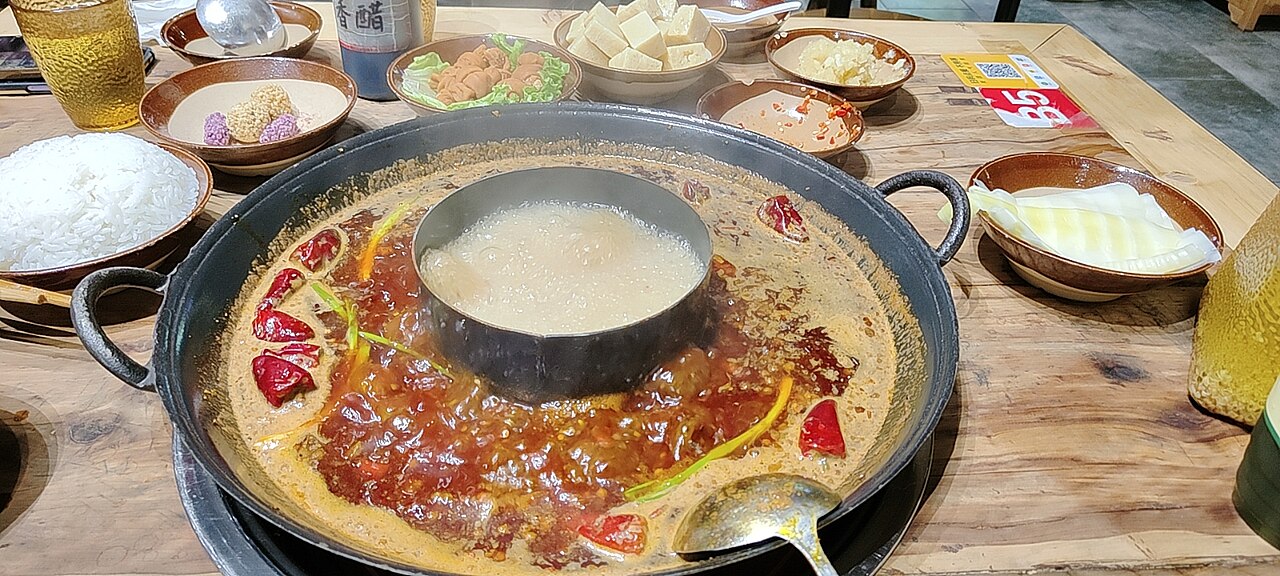
Use food to shape the Chengdu day
Chengdu food is useful to travelers when it becomes a route, not a random restaurant list. A strong day can start with noodles or wontons, slow down in a park or teahouse, then finish with hot pot or chuanchuan when there is time to order, cook, and eat without rushing.
The mistake is treating Sichuan food only as a spice challenge. A better Chengdu food day shows range: numbing peppercorn heat, rich red oil, gentle breakfast dishes, tea culture, snacks, and the slower social rhythm that makes Chengdu different from a fast sightseeing city.
What to eat first
Build the meal plan from appetite, not from a dish list
A realistic Chengdu food day
- Breakfast: noodles, wontons, steamed buns, soy milk, or a simple local meal near the hotel.
- Late morning: pandas, a market, a temple area, or a neighborhood walk, depending on the wider route.
- Lunch: mapo tofu, twice-cooked pork, dan dan noodles, or lighter Sichuan dishes instead of another heavy shared meal.
- Afternoon: People’s Park, tea, mahjong atmosphere, or a quieter street walk to let the day breathe.
- Dinner: hot pot or chuanchuan when everyone has time, appetite, and enough energy to order carefully.
How to order without wasting the meal
- Use a split broth if the group has different spice tolerance.
- Start with familiar items such as beef, lamb, tofu, mushrooms, greens, potatoes, noodles, or fish balls before adding adventurous choices.
- Ask staff how long different ingredients should cook; thin meat, tofu, vegetables, and offal do not behave the same way.
- Build a dipping sauce slowly. Sesame oil, garlic, scallions, cilantro, vinegar, and oyster sauce are common starting points.
- Keep drinks, rice, or a lighter side dish available if the table underestimates the heat.
How to choose a hot pot restaurant
Reference guide sites often list famous Chengdu hot pot restaurants, but the useful traveler decision is simpler: choose a restaurant that fits your district, group tolerance, queue tolerance, and ordering confidence. A famous branch on the wrong side of the city can weaken the day more than a good local place near the route.
Useful source checks before choosing a meal
Good Chengdu food planning should verify more than one famous restaurant name. Check how the dish is eaten, what ingredients are common, how dipping sauces work, which meals belong near the day’s route, and whether the restaurant examples are still current enough for your trip.
- TravelChinaGuide Chengdu hot pot guide
- TravelChinaGuide Sichuan cuisine overview
- China Discovery Chengdu hot pot guide
Where this fits in a China itinerary
Chengdu is strongest after Beijing, Xi’an, Shanghai, Guilin, or Chongqing when the trip needs a slower food-and-neighborhood stop. It is weaker as a one-morning panda transfer with one rushed hot pot dinner. Give it at least two nights if food is a real reason for coming.
If the trip is only seven days, Sichuan food can be postponed to a second China visit. If the trip is ten to fourteen days, Chengdu can become the food anchor that makes the route feel less like a museum and skyline checklist.
Common food planning mistakes
- Planning hot pot for the first exhausted arrival night before payment, translation, and appetite are settled.
- Eating only hot pot and missing noodles, home-style dishes, snacks, tea, and markets.
- Crossing the city for a famous restaurant when a good nearby meal would protect the day.
- Ignoring spice tolerance and turning dinner into a survival exercise for half the group.
- Separating food from the route instead of choosing meals near the day’s park, museum, market, or hotel area.
What this food guide should help you decide
Sichuan Food Guide: Chengdu Hot Pot, Teahouses, And Street Snacks should not read like a loose dish list. The useful version helps an overseas visitor decide where the meal belongs in the route, which dishes are worth planning, what can be ordered casually, and when a famous food stop is not worth crossing the city for.
The collected references for this page were used as source material for dish names, food culture context, and restaurant or district logic. The article below turns that material into a traveler-facing plan instead of copying a source page.
Where to eat what
| Traveler situation | Best food move | Why it works | Check before going |
|---|---|---|---|
| Arrival day | Simple noodles, buns, rice noodles, or a nearby local restaurant | It protects the first night while mobile data, payment, hotel location, and appetite are still settling. | Hotel district, walking distance, payment method, and closing time. |
| Full sightseeing day | One signature meal near the route, plus one lighter backup | The meal supports the day instead of forcing an extra taxi ride across town. | Queue risk, whether the restaurant is near the attraction or metro line, and spice or dietary tolerance. |
| Food-first evening | A shared dinner, market walk, hot pot, dim sum, or regional specialty meal | This gives enough time to order slowly, compare dishes, and understand the local rhythm. | Reservation need, group appetite, menu translation, and return transport. |
| Transfer morning | Bakery, station food, hotel breakfast, or one easy local snack | Heavy meals and long queues can break rail, airport, or tour timing. | Station distance, luggage, passport/ticket checks, and whether the next city has a better food opportunity. |
Build a real meal route
Start by matching food to the part of the day. Breakfast should be close to the hotel or first transport point. Lunch should sit near the main sightseeing block. Dinner can carry the heavier local experience if the group is not rushing for a train, airport transfer, or early mountain day.
For this topic, the right meal route normally includes one signature dish, one everyday local meal, one lighter snack or tea break, and one explicit backup for travelers who do not handle spice, long queues, heavy oil, or unfamiliar ingredients well.
Dish and ordering checklist
| Before ordering | What to ask or check | Why it matters |
|---|---|---|
| Spice and oil level | Ask for mild, split broth, less chili, or a non-spicy backup when available. | A great meal is wasted if half the table cannot eat it. |
| Cooking method | For hot pot, mushrooms, seafood, or unfamiliar ingredients, follow staff timing. | Some foods need proper cooking time and should not be treated like casual snacks. |
| Photo menu and translation | Use dish photos, translation apps, and staff recommendations, then order in rounds. | Ordering gradually reduces waste and keeps the meal manageable. |
| Payment and queue | Confirm mobile payment, card fallback, number system, and last-order time. | Visitor friction often comes from the process, not the food itself. |
What the collected sources add
- Chengdu Hot Pot: Invented by Boatmen by Yangtze River
- Chengdu Hot Pot: Chengdu Hot Pot Flavor: Numb, Spicy, Refreshing and Aromatic
- Chengdu Hot Pot: Various Ingredients Can be Boiled in Chengdu Hot Pot.
- Chengdu Hot Pot: Self-Seasoned Dipping Sauces with Numerous Condiments
- Chengdu Hot Pot: Eating Ways of Chengdu Hot Pot
- Chengdu Hot Pot: How to Boil the Various Ingredients
- Chengdu Hot Pot: Where to Eat Chengdu Hot Pot
- Chengdu Hot Pot: Xiao Long Kan
- Chengdu Hot Pot: Da Long Yi
- Chengdu Hot Pot: The Grand Mansion
What to skip
- Skip a famous restaurant when it sits far outside the day’s route and only adds taxi time.
- Skip a heavy signature meal before a long rail ride, early flight, mountain walk, or tightly timed attraction entry.
- Skip tourist-street grazing if every stall sells the same simplified version of the dish and the group is no longer hungry.
- Skip risky or unfamiliar ingredients when staff cannot explain preparation, cooking time, or freshness clearly enough.
How to fit it into the wider China route
Food pages work best when they connect to the trip, not when they stand alone. Pair the meal with nearby parks, markets, old streets, museums, riverfront walks, or rail-station timing. If this food stop is the main reason to add the city, give it at least one unrushed evening and one lighter local meal the next day.
If the route is already crowded, choose one meal that defines the place and leave the deeper food crawl for a future visit. A controlled, memorable meal is better than three rushed stops that blur together.
Final planning checklist
- Choose the meal by district first, then compare restaurants or markets inside that area.
- Keep one translated dish list and one non-spicy or lighter fallback.
- Check recent reviews for queue, payment, branch location, and whether the place is still operating normally.
- Use the reference links below for current context, but verify final details close to the meal.
References to verify before booking
Use these references to verify current rules, access, ticketing, transport, and opening details before paying for non-refundable plans.