Hangzhou Food Guide: West Lake Fish, Dongpo Pork, Tea Snacks, And Noodles
Hangzhou food works best as a lake-and-tea day: lighter flavors, Longjing tea, Dongpo pork, West Lake fish, noodles, and calm meals after a walk.
Chongqing hot pot belongs to a city route, not only a dinner reservation: spice tolerance, river views, steep streets, late meals, and Chengdu comparisons all change the plan.
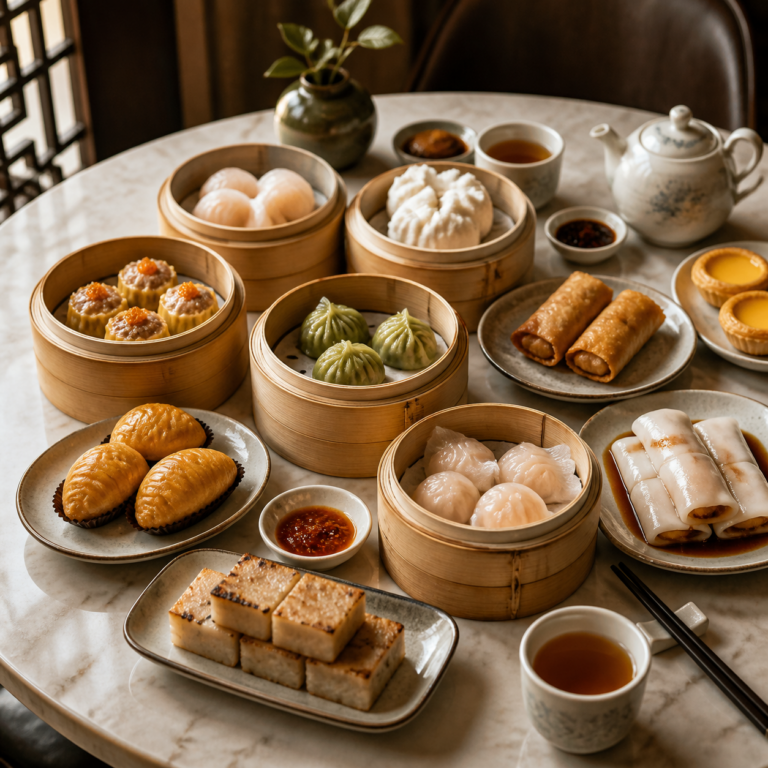
Guangzhou is the best first Cantonese food city: morning tea, dim sum, roast meats, seafood restaurants, old arcades, and market eating need a different rhythm from Sichuan or Beijing.
Chongqing works as a dramatic river-and-food city: layered streets, night views, hot pot, metro rides, and a useful link toward Chengdu or the Yangtze route.
Sichuan food is not only heat. A good Chengdu food day balances hot pot, dan dan noodles, mapo tofu, teahouse time, and lighter snacks so visitors understand the rhythm of the city instead of only chasing spice.
Beijing eating works best when classic dishes are tied to neighborhoods: roast duck, copper-pot mutton, sesame paste noodles, breakfast stalls, and old-city snack streets all fit different parts of the day.
Xi'an's strongest food experience is a walkable evening built around wheat, lamb, spices, breads, noodles, and street snacks, with enough context to choose well rather than grazing randomly.
Shanghai food is easiest to understand through breakfast and neighborhood meals: xiaolongbao, shengjianbao, scallion oil noodles, local bakeries, and cafe breaks near historic streets.
Yunnan adds a different food language to a China route: rice noodles, wild mushrooms, Pu'er tea, Dai flavors, market stalls, and slower meals shaped by borderland geography.