
China Travel Guide
Huangshan Yellow Mountain Travel Guide
Huangshan is a weather-sensitive mountain trip with cable cars, steep steps, sunrise hotels, and enough logistics to deserve buffer time.
What this place looks and feels like
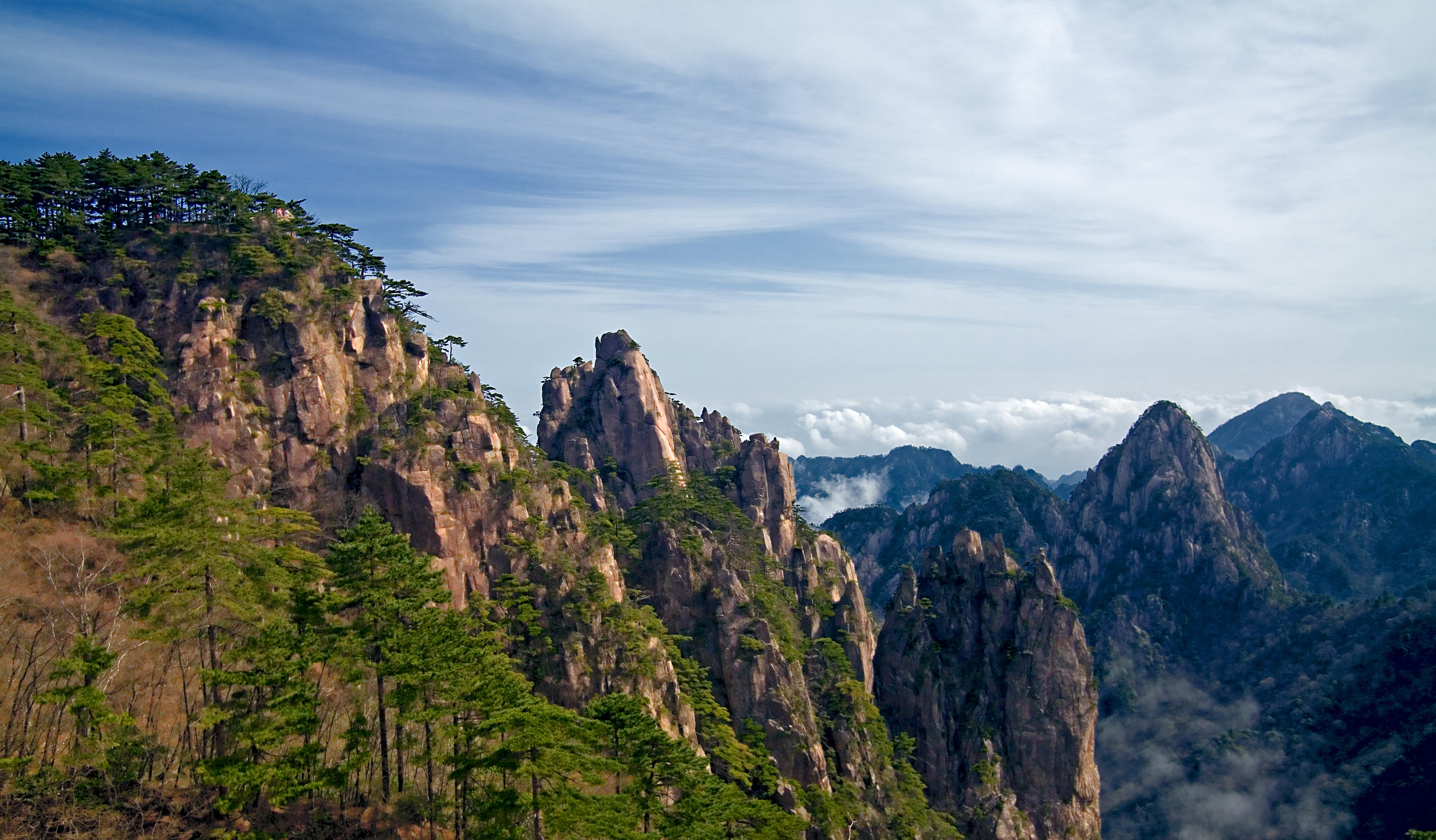
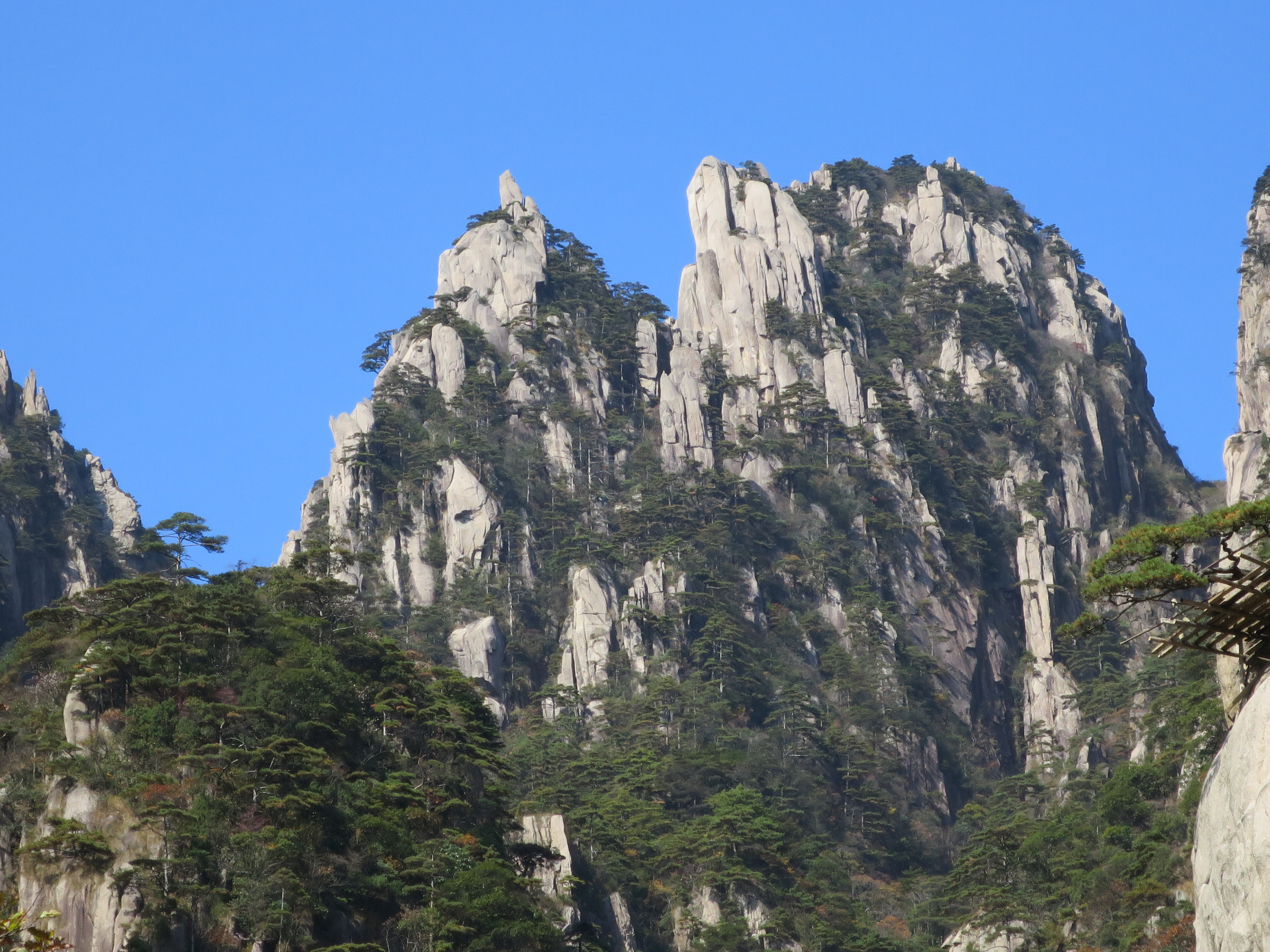
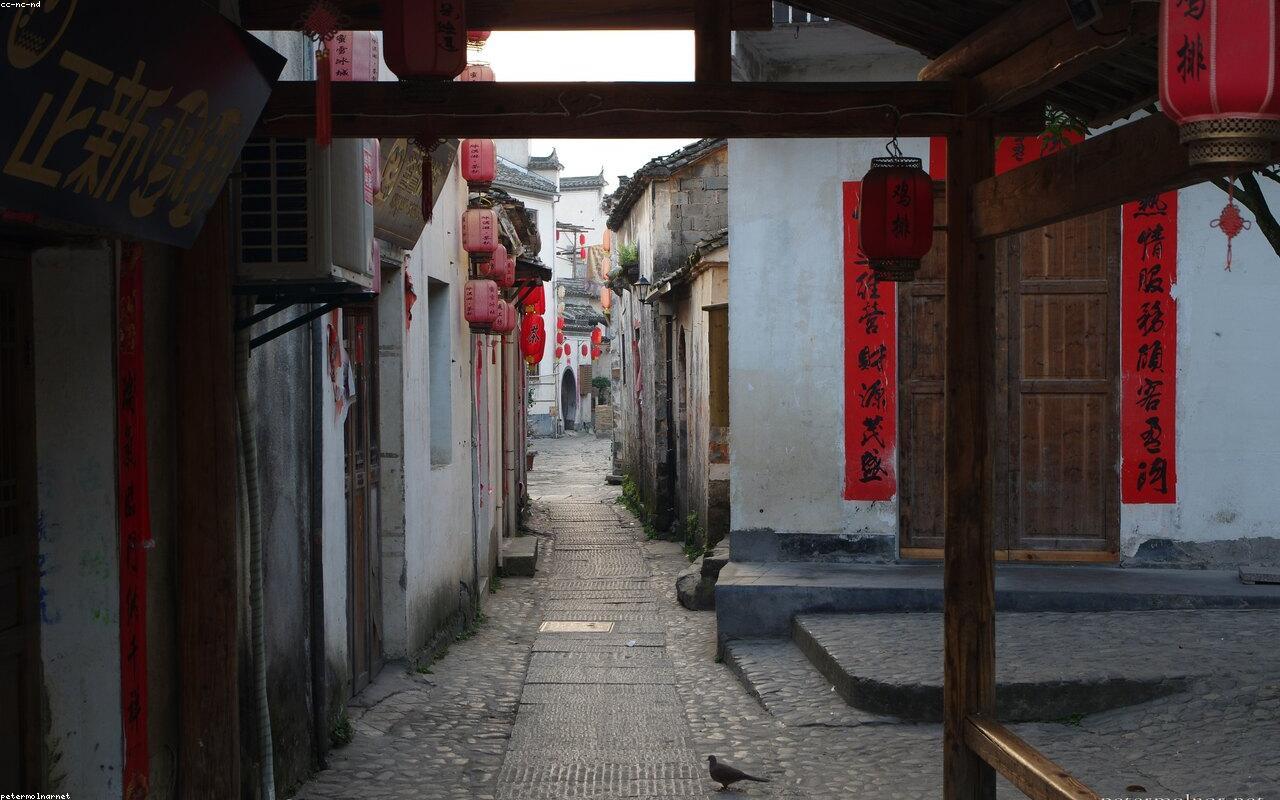
How to understand Huangshan before choosing a route
Huangshan is not one viewpoint. It is a mountain-top walking network with cable-car gateways, ridge paths, sunrise viewpoints, hotels near the summit, weather-sensitive scenery, and optional nearby villages. The main decision is whether the trip is a mountain stay, a long day visit, or a scenery-and-village segment built around Tunxi, Hongcun, or Xidi.
Cable cars change the plan, but they do not remove the walking
Most overseas visitors should think in gateways. Yungu cable car is often useful for entering the back mountain side, Yuping cable car is useful around the front mountain and classic pine areas, and Taiping cable car can matter for wider routes. The right choice depends on hotel location, which side of the mountain you want first, and whether the group can handle steps after the cable car ride.
- Day visit: start early, use one cable car up and one down, and keep the route compact around classic viewpoints.
- Sunrise stay: book a mountain hotel first, then choose the cable car and walking route around that hotel instead of guessing later.
- Photography route: protect weather buffer and sunset/sunrise windows; do not stack Hongcun or Tunxi too tightly on the same day.
Where to base yourself
What a sensible two-day Huangshan plan looks like
- Day 1 morning: reach Tangkou or the scenic-area transfer point early, store or reduce luggage, and enter through the cable-car gateway that matches the hotel or walking route.
- Day 1 afternoon: walk the main viewpoint circuit slowly, keeping energy for sunset rather than chasing every named rock.
- Night: sleep on the mountain only if sunrise or photography is the reason; otherwise stay lower and make the day visit simpler.
- Day 2 morning: attempt sunrise if weather allows, then descend before the route becomes a tired stair march.
- Day 2 afternoon: add Tunxi Old Street, Hongcun, or Xidi only if transport timing is realistic.
Photo expectations and weather reality
The famous Huangshan look comes from granite peaks, pine trees, cloud seas, sunrise light, winter snow, and mist. None of those are guaranteed on a fixed date. A strong plan gives the mountain enough time to show itself and still works if clouds, rain, wind, or closed sections change the day.
- Bring layers because summit weather can feel different from the town below.
- Use shoes that can handle steps, wet stone, and long descents.
- Keep a simpler route for children, older travelers, or anyone with knee problems.
- Do not book the last transport connection too tightly after descending.
Why this stop belongs on the route
Huangshan is a weather-sensitive mountain trip with cable cars, steep steps, sunrise hotels, and enough logistics to deserve buffer time. It is most useful for Mountain scenery, sunrise, cable cars, and travelers who can handle weather risk when the route is built around actual transfer time, reservation rules, and district-level planning rather than around an overextended wish list.
Use this page to decide whether the stop deserves space in the route, how many nights it needs, and which nearby experience should sit beside the headline attraction.
What to do here
- Choose whether to sleep on the mountain for sunrise.
- Use cable cars to manage effort, not to eliminate walking.
- Keep a weather backup in the route.
- Pair with Tunxi or nearby villages only when time remains.
How to shape the day
- Start with the anchor experience that would be hardest to replace later in the trip.
- Add one adjacent neighborhood, museum, park, market, or meal rather than crossing the city for another famous name.
- Keep the last block of the day flexible for weather, queues, jet lag, or transport delays.
Route shape that usually works
Huangshan is not a casual side trip. Treat it as a mountain segment with transfer time, steps, weather, and lodging decisions.
Suggested pairings
Pair the mountain with Tunxi old street or villages only after the core weather-sensitive plan is protected.
Shorten or skip it if: Skip or shorten this stop when it repeats the same role as another city on your route, requires a long detour for one photo, or pushes the trip into back-to-back transfer days.
Common planning mistakes
- Expecting perfect sunrise without buffer.
- Underestimating stairs after a long transfer.
- Booking a mountain hotel without checking route and cable-car access.
Booking and logistics checklist
- Check the official operator or attraction site two or three days before booking or departure.
- Keep passport spelling consistent across flights, rail tickets, attraction reservations, hotels, and payment setup.
- Choose hotel location based on the route you will actually use rather than on nightly rate alone.
Confirm current entry policy, mobile payment readiness, SIM or eSIM access, long-distance transport timing, hotel district, and attraction reservation requirements. Practical claims should still be checked against current operator or official sources before booking because transport procedure, reservation windows, and entry rules can change.
How to decide whether Huangshan Yellow Mountain Travel Guide: Cable Cars, Sunrise, And Weather is worth the day
An attraction is worth planning when it changes the route, not just when it appears on a famous list. The decision should include time needed, entry friction, transport, crowd pressure, weather risk, and what the visitor gives up by adding it.
Visit-planning table
| Planning point | Good plan | Weak plan | Verify |
|---|---|---|---|
| Timing | Give the sight its strongest morning or weather window. | Arrive after a long transfer and expect a full experience anyway. | Opening days, last entry, holiday crowd pressure. |
| Transport | Know the exact station, gate, shuttle, cable car, taxi, or walking approach. | Assume the attraction is close because it belongs to the same city. | Door-to-door time and return route. |
| Route pairing | Pair with one nearby district, museum, park, food street, or hotel-side evening. | Stack another distant attraction after it. | Map distance and energy level. |
| Booking | Check passport-based ticketing, timed entry, guide rules, or weather closures. | Wait until arrival day for a high-demand sight. | Official operator or local tourism notice. |
Best route order
Put the hardest-to-replace part first. If the attraction depends on light, weather, animal activity, museum entry, mountain visibility, or crowd control, it should not be treated as a leftover afternoon filler. After the main visit, add a nearby low-friction block instead of racing to another famous place.
How long to allow
| Traveler type | Time to allow | Notes |
|---|---|---|
| Fast checklist visitor | Half day only when transport is simple | Works for compact sights but weak for mountains, large museums, and distant day trips. |
| First-time visitor | Half to full day | Allows ticket checks, walking, photos, meal timing, and a calmer return. |
| Photographer or enthusiast | Full day or overnight when relevant | Needed when sunrise, sunset, weather, or deeper walking routes matter. |
What the collected sources add
- Huangshan Mountain (Yellow Mountain): Highlights in Huangshan
- Huangshan Mountain (Yellow Mountain): Six Scenic Areas
- Huangshan Mountain (Yellow Mountain): Four Wonders
- Huangshan Mountain (Yellow Mountain): Recommended Huangshan Hiking Trails
- Huangshan Mountain (Yellow Mountain): 1-Day Trip to West Sea Valley:
- Huangshan Mountain (Yellow Mountain): 2-Day Huangshan Trekking Route: (Accommodation: Bei Hai Hotel)
- Huangshan Mountain (Yellow Mountain): How to get to the Mount Huangshan
- Huangshan Mountain (Yellow Mountain): From Shanghai to Huangshan
- Huangshan Mountain (Yellow Mountain): From Nanjing to Huangshan
- Huangshan Mountain (Yellow Mountain): From Hangzhou to Huangshan
What to skip
- Skip the attraction on a transfer day if tickets, luggage, and return transport all have to align perfectly.
- Skip the most crowded route if a slightly slower route gives better pacing and fewer bottlenecks.
- Skip paid extras that do not solve your real problem, such as access, weather, distance, or guide context.
- Skip a second major sight afterward unless it is genuinely nearby and low effort.
Final checklist before booking
- Confirm opening, ticketing, passport, and transport rules on current sources.
- Choose the route order before booking hotel or long-distance transport.
- Save the Chinese address, station name, and return option offline.
- Keep a weather or crowd backup if the attraction is outdoors or time-sensitive.
References to verify before booking
Use these references to verify current rules, access, ticketing, transport, and opening details before paying for non-refundable plans.