
China Travel Guide
Chongqing Hot Pot Guide
Chongqing hot pot belongs to a city route, not only a dinner reservation: spice tolerance, river views, steep streets, late meals, and Chengdu comparisons all change the plan.
What this place looks and feels like
Why this stop belongs on the route
Chongqing hot pot belongs to a city route, not only a dinner reservation: spice tolerance, river views, steep streets, late meals, and Chengdu comparisons all change the plan. It is most useful for Spice-focused travelers comparing Chongqing and Chengdu when the route is built around actual transfer time, reservation rules, and district-level planning rather than around an overextended wish list.
Use this page to decide whether the stop deserves space in the route, how many nights it needs, and which nearby experience should sit beside the headline attraction.
What to do here
- Choose the hot pot district around the evening route.
- Order gradually and balance meats, tofu, vegetables, and starches.
- Use a river-view or old-street walk before dinner rather than after a very heavy meal.
- Keep the next morning simple.
How to shape the day
- Start with the anchor experience that would be hardest to replace later in the trip.
- Add one adjacent neighborhood, museum, park, market, or meal rather than crossing the city for another famous name.
- Keep the last block of the day flexible for weather, queues, jet lag, or transport delays.
Route shape that usually works
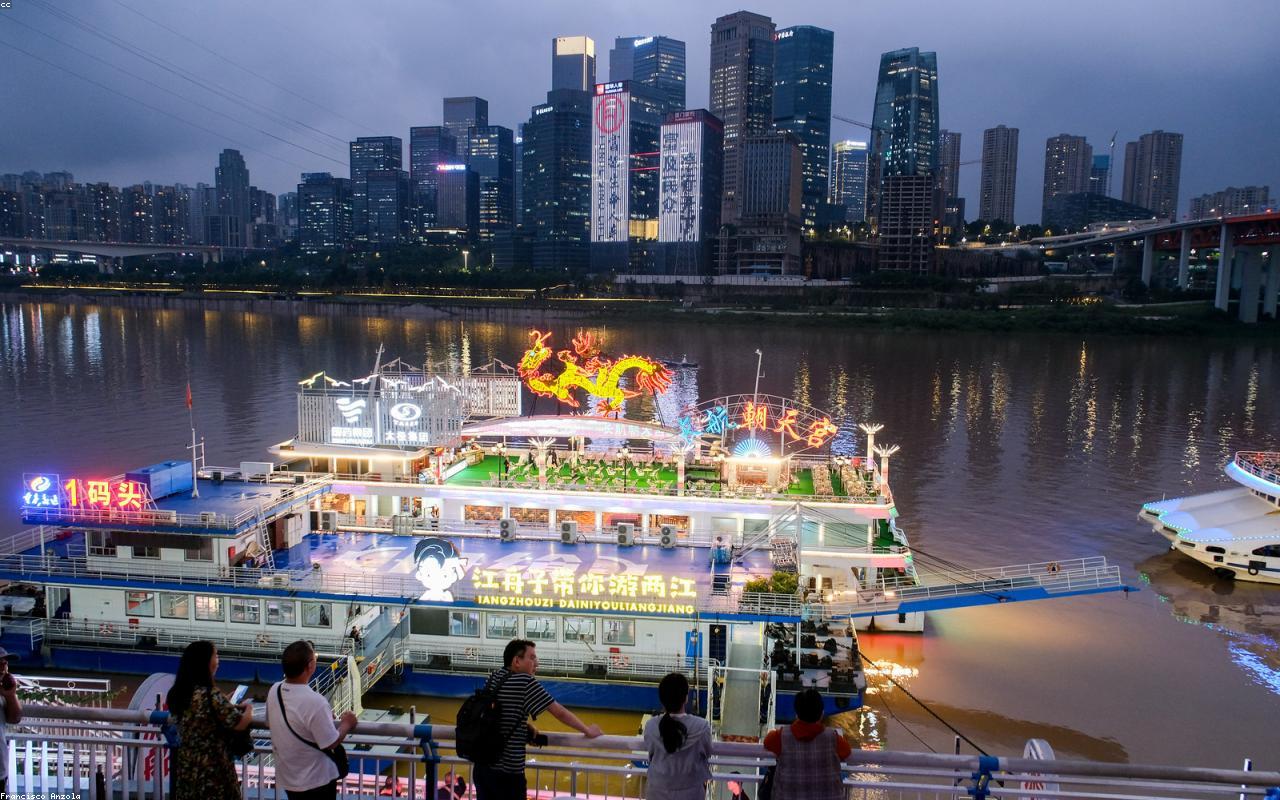
Chongqing hot pot is strongest when it belongs to a night route: views, stairs, neon, and one serious meal.
Suggested pairings
Pair hot pot with river views and a short walk, not with a long transfer.
Shorten or skip it if: Skip or shorten this stop when it repeats the same role as another city on your route, requires a long detour for one photo, or pushes the trip into back-to-back transfer days.
Common planning mistakes
- Choosing maximum spice for a group that cannot enjoy it.
- Over-ordering in the first round.
- Planning hot pot before an early train or flight.
Booking and logistics checklist
- Check the official operator or attraction site two or three days before booking or departure.
- Keep passport spelling consistent across flights, rail tickets, attraction reservations, hotels, and payment setup.
- Choose hotel location based on the route you will actually use rather than on nightly rate alone.
Confirm current entry policy, mobile payment readiness, SIM or eSIM access, long-distance transport timing, hotel district, and attraction reservation requirements. Practical claims should still be checked against current operator or official sources before booking because transport procedure, reservation windows, and entry rules can change.
What this food guide should help you decide
Chongqing Hot Pot Guide: Spice, River Views, And Night Eating should not read like a loose dish list. The useful version helps an overseas visitor decide where the meal belongs in the route, which dishes are worth planning, what can be ordered casually, and when a famous food stop is not worth crossing the city for.
The collected references for this page were used as source material for dish names, food culture context, and restaurant or district logic. The article below turns that material into a traveler-facing plan instead of copying a source page.
Where to eat what
| Traveler situation | Best food move | Why it works | Check before going |
|---|---|---|---|
| Arrival day | Simple noodles, buns, rice noodles, or a nearby local restaurant | It protects the first night while mobile data, payment, hotel location, and appetite are still settling. | Hotel district, walking distance, payment method, and closing time. |
| Full sightseeing day | One signature meal near the route, plus one lighter backup | The meal supports the day instead of forcing an extra taxi ride across town. | Queue risk, whether the restaurant is near the attraction or metro line, and spice or dietary tolerance. |
| Food-first evening | A shared dinner, market walk, hot pot, dim sum, or regional specialty meal | This gives enough time to order slowly, compare dishes, and understand the local rhythm. | Reservation need, group appetite, menu translation, and return transport. |
| Transfer morning | Bakery, station food, hotel breakfast, or one easy local snack | Heavy meals and long queues can break rail, airport, or tour timing. | Station distance, luggage, passport/ticket checks, and whether the next city has a better food opportunity. |
Build a real meal route
Start by matching food to the part of the day. Breakfast should be close to the hotel or first transport point. Lunch should sit near the main sightseeing block. Dinner can carry the heavier local experience if the group is not rushing for a train, airport transfer, or early mountain day.
For this topic, the right meal route normally includes one signature dish, one everyday local meal, one lighter snack or tea break, and one explicit backup for travelers who do not handle spice, long queues, heavy oil, or unfamiliar ingredients well.
Dish and ordering checklist
| Before ordering | What to ask or check | Why it matters |
|---|---|---|
| Spice and oil level | Ask for mild, split broth, less chili, or a non-spicy backup when available. | A great meal is wasted if half the table cannot eat it. |
| Cooking method | For hot pot, mushrooms, seafood, or unfamiliar ingredients, follow staff timing. | Some foods need proper cooking time and should not be treated like casual snacks. |
| Photo menu and translation | Use dish photos, translation apps, and staff recommendations, then order in rounds. | Ordering gradually reduces waste and keeps the meal manageable. |
| Payment and queue | Confirm mobile payment, card fallback, number system, and last-order time. | Visitor friction often comes from the process, not the food itself. |
What the collected sources add
- Chongqing Dining — Where to Eat: Chongqing Hotpot Restaurants
- Chongqing Dining — Where to Eat: Local Snacks Restaurants
- Chongqing Dining — Where to Eat: Western Food Restaurants
- Chongqing on Your Tongue: Best Food to Try and Top Areas to Eat: Content Preview
- Chongqing on Your Tongue: Best Food to Try and Top Areas to Eat: Must-try Hot Pot, the Soul of Chongqing
- Chongqing on Your Tongue: Best Food to Try and Top Areas to Eat: If You Can Handle Spicy, You Can Try
- Chongqing on Your Tongue: Best Food to Try and Top Areas to Eat: If You Can't Eat Spicy or are Dining with the Elderly or Kids
- Chongqing on Your Tongue: Best Food to Try and Top Areas to Eat: Top Hot Pot Restaurants You've Gotta Try
- Chongqing on Your Tongue: Best Food to Try and Top Areas to Eat: What Are the Best Chongqing Dishes to Try?
- Chongqing on Your Tongue: Best Food to Try and Top Areas to Eat: 1. Mao Xue Wang (Blood Curd Stew)
What to skip
- Skip a famous restaurant when it sits far outside the day’s route and only adds taxi time.
- Skip a heavy signature meal before a long rail ride, early flight, mountain walk, or tightly timed attraction entry.
- Skip tourist-street grazing if every stall sells the same simplified version of the dish and the group is no longer hungry.
- Skip risky or unfamiliar ingredients when staff cannot explain preparation, cooking time, or freshness clearly enough.
How to fit it into the wider China route
Food pages work best when they connect to the trip, not when they stand alone. Pair the meal with nearby parks, markets, old streets, museums, riverfront walks, or rail-station timing. If this food stop is the main reason to add the city, give it at least one unrushed evening and one lighter local meal the next day.
If the route is already crowded, choose one meal that defines the place and leave the deeper food crawl for a future visit. A controlled, memorable meal is better than three rushed stops that blur together.
Final planning checklist
- Choose the meal by district first, then compare restaurants or markets inside that area.
- Keep one translated dish list and one non-spicy or lighter fallback.
- Check recent reviews for queue, payment, branch location, and whether the place is still operating normally.
- Use the reference links below for current context, but verify final details close to the meal.
References to verify before booking
Use these references to verify current rules, access, ticketing, transport, and opening details before paying for non-refundable plans.