
China Travel Guide
Suzhou Travel Guide
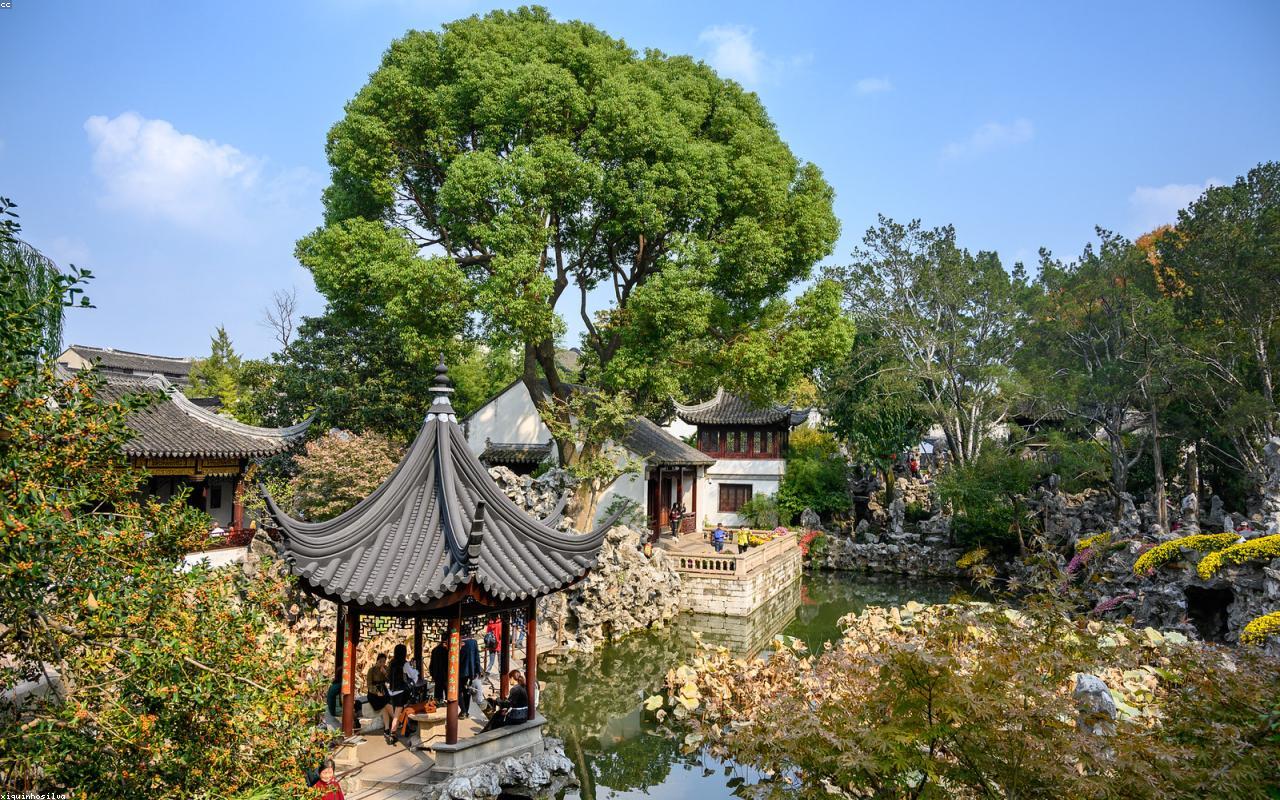
Suzhou is useful when travelers want lower-Yangtze culture without a difficult transfer: gardens, canals, old streets, silk history, and a calmer day beside Shanghai.
What this place looks and feels like
Why this stop belongs on the route
Suzhou is useful when travelers want lower-Yangtze culture without a difficult transfer: gardens, canals, old streets, silk history, and a calmer day beside Shanghai. It is most useful for Classical gardens, canals, old streets, and lower-Yangtze culture when the route is built around actual transfer time, reservation rules, and district-level planning rather than around an overextended wish list.
Use this page to decide whether the stop deserves space in the route, how many nights it needs, and which nearby experience should sit beside the headline attraction.
What to do here
- One major classical garden, visited early if possible.
- Pingjiang Road or a canal-side old street for the city layer after the garden.
- A museum, silk stop, or quieter garden only if the route has a second block.
- A simple local meal near the old city rather than a distant restaurant detour.
How to shape the day
- Start with the anchor experience that would be hardest to replace later in the trip.
- Add one adjacent neighborhood, museum, park, market, or meal rather than crossing the city for another famous name.
- Keep the last block of the day flexible for weather, queues, jet lag, or transport delays.
Route shape that usually works
Suzhou is strongest as one focused garden-and-canal day, not as a race through every famous garden.
Suggested pairings
Pair one garden with an old-street walk and keep the rail return realistic.
Shorten or skip it if: Skip Suzhou when the traveler already added Hangzhou and Shanghai itself is underdeveloped.
Common planning mistakes
- Trying three gardens in one day and remembering none of them clearly.
- Ignoring the exact rail station and losing time before the first garden.
- Treating Suzhou as only a water town photo instead of garden culture.
Booking and logistics checklist
- Check the official operator or attraction site two or three days before booking or departure.
- Keep passport spelling consistent across flights, rail tickets, attraction reservations, hotels, and payment setup.
- Choose hotel location based on the route you will actually use rather than on nightly rate alone.
Confirm current entry policy, mobile payment readiness, SIM or eSIM access, long-distance transport timing, hotel district, and attraction reservation requirements. Practical claims should still be checked against current operator or official sources before booking because transport procedure, reservation windows, and entry rules can change.
How to judge whether Suzhou Travel Guide: Classical Gardens, Canals, And Old Streets belongs in your route
The right question is not whether this place is famous. The useful question is whether it adds a clear role to the trip: history, scenery, food, city contrast, easier arrival logistics, or a slower recovery block. If the stop repeats another city’s role but adds a hotel change, it weakens the itinerary.
Use the collected references as planning material, then make the decision from your trip length, transfer tolerance, season, hotel base, and the one experience you would regret missing.
Best-fit route roles
| Route role | Best use | Weak use | What to verify |
|---|---|---|---|
| First-time city stop | Use it when the place gives a different layer from Beijing, Xi’an, Shanghai, or your main gateway. | Weak when it is squeezed into one night with no real morning or evening. | Hotel district, arrival station, airport transfer, and first-day timing. |
| Scenery or culture extension | Use it when the extension changes the mood of the trip and has enough time for weather or slow streets. | Weak when the route already has another similar scenery or old-town stop. | Season, opening days, transport time, and whether a guide or driver is useful. |
| Food or neighborhood base | Use it when meals, markets, parks, and evening walks are part of the reason to go. | Weak when the plan only contains one headline sight and then leaves. | Restaurant districts, metro/taxi access, and payment readiness. |
Where to stay or base yourself
Choose the base from the actual route, not from a generic “central” label. The right hotel area is usually the place that reduces repeated transfers to the main sight, station, riverfront, old town, food district, or airport link. A cheaper room can become expensive if it adds two taxi rides every day.
For a first visit, prefer an area with transport, food, and a simple first-night walk. Save remote boutique stays for trips where the location itself is the purpose and the transfer is part of the plan.
A practical 2-3 day structure
| Time block | What to do | Why this order works |
|---|---|---|
| Arrival block | Hotel, nearby meal, short orientation walk, and confirmation of the next day’s transport or ticket. | It prevents the first day from collapsing under fatigue, payment setup, or station confusion. |
| Main day | One anchor sight or district in the morning, one nearby pairing after lunch, and an evening meal or view. | The day has a story and avoids crossing the city for disconnected famous names. |
| Extra day | Use for a side trip, deeper museum, market, food route, or weather backup. | The extra day should add depth, not another rushed checklist. |
Transport and booking friction
Before booking, check the exact station or airport used by the route. Large Chinese cities often have multiple rail stations, and scenic regions may require a final shuttle, cable car, taxi, or local bus after the long-distance leg. The “fast” option on paper is not always the easiest door-to-door plan.
- Confirm the Chinese and English station names before buying rail tickets.
- Keep passport spelling consistent across hotels, tickets, and attraction reservations.
- Leave a buffer for security, ticket checks, luggage, and metro or taxi transfer.
- Check whether the main sight needs advance booking, timed entry, cable-car choice, or weather backup.
What the collected sources add
- Suzhou History: The City Was Built 2,500 Years Ago
- Suzhou History: Became Regional Center since Qin and Han Dynasties (221 BC – 220 AD)
- Suzhou History: Remarkable Development Thereafter
- Suzhou History: A Good Time in Song Dynasty (960 – 1279 AD)
- Suzhou History: Golden Age in Ming and Qing Dynasties (1368 – 1911 AD)
- Suzhou History: New Era in Modern Times
- Suzhou Travel Guide: 10-Day Visa-Free Travel
- Suzhou Travel Guide: The Highlights of Suzhou
- Suzhou Travel Guide: Classic Gardens
- Suzhou Travel Guide: Water Towns
What to skip
- Skip the stop if it only adds one photo and removes a full day from a stronger city.
- Skip distant side trips when the base city has not had one proper morning and evening.
- Skip hotel changes that save little time but create luggage, check-in, and transfer pressure.
- Skip weather-sensitive scenery when the itinerary has no backup and the season is unreliable.
Final planning checklist
- Write the stop as nights and transfer blocks before listing attractions.
- Choose the hotel from the station, main sight, and evening-food geography.
- Verify tickets, opening days, transport, and weather close to booking.
- Keep one flexible block so delays do not damage the next city.
References to verify before booking
Use these references to verify current rules, access, ticketing, transport, and opening details before paying for non-refundable plans.