

Food Routes
China Food Guide by Region: What To Eat, Where To Eat It, and What To Skip
Chinese food pages need places, timing, dishes, ordering logic, and what to skip, not a national dish encyclopedia.
What this guide should look like in practice
Start With Regions, Not Dish Lists
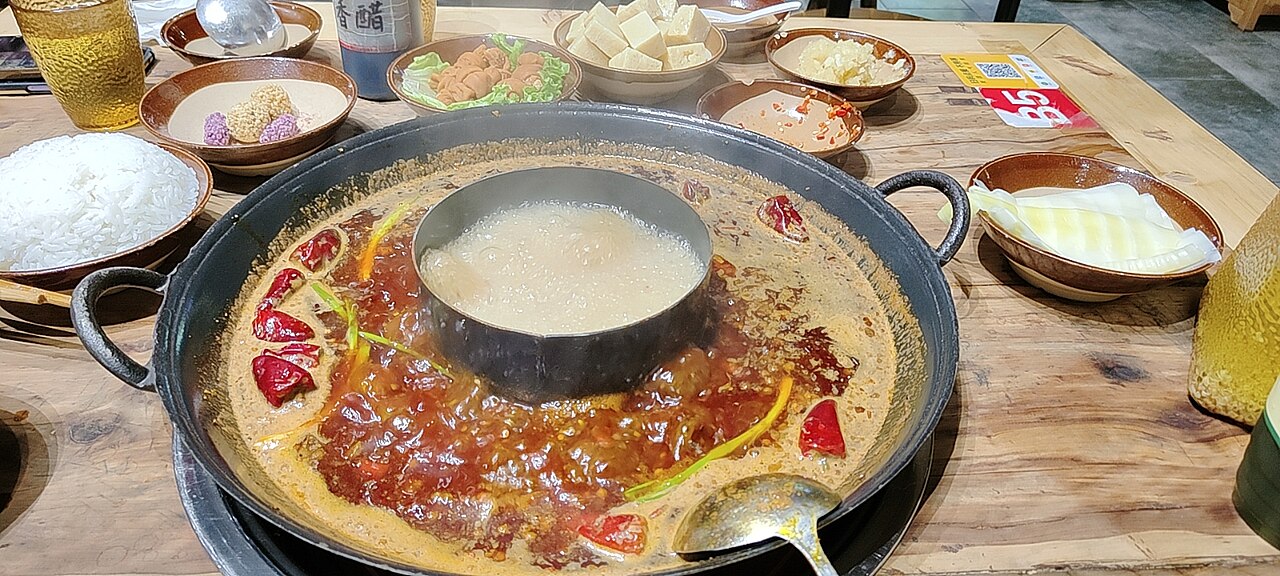
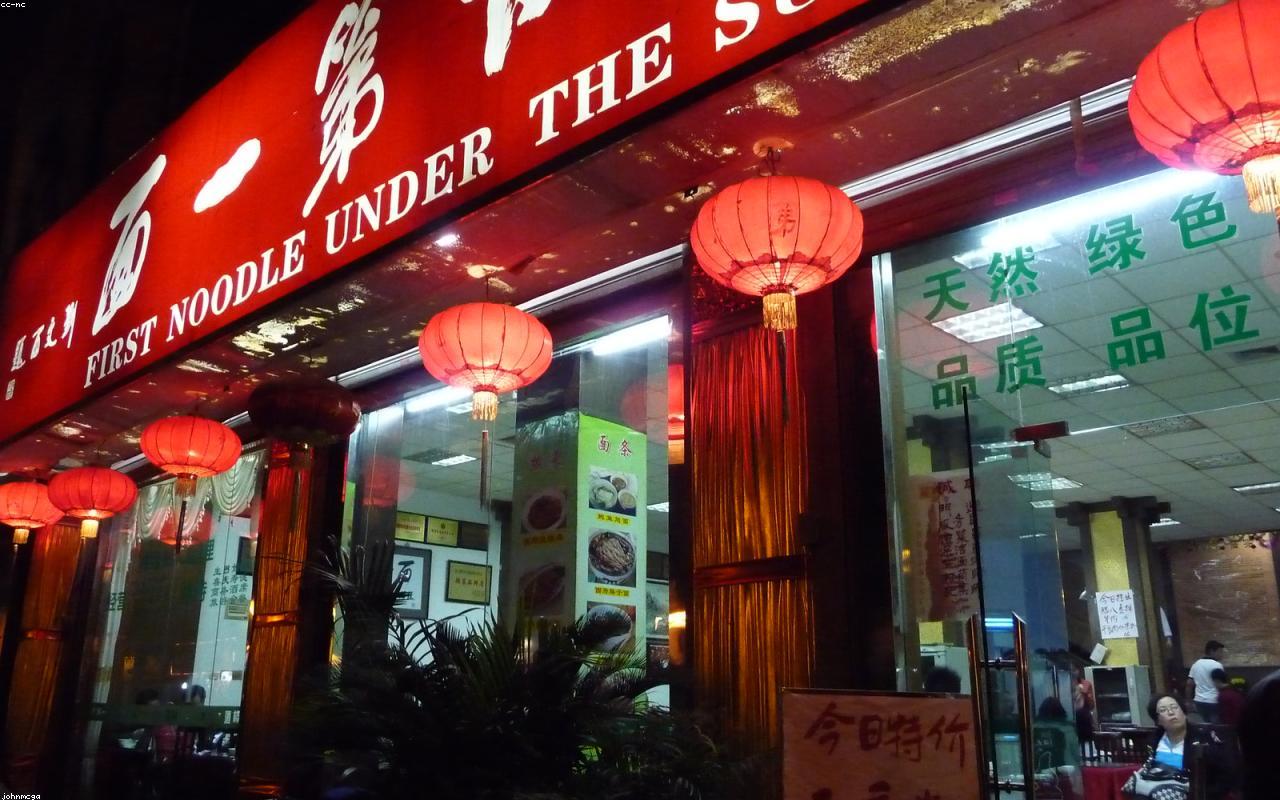
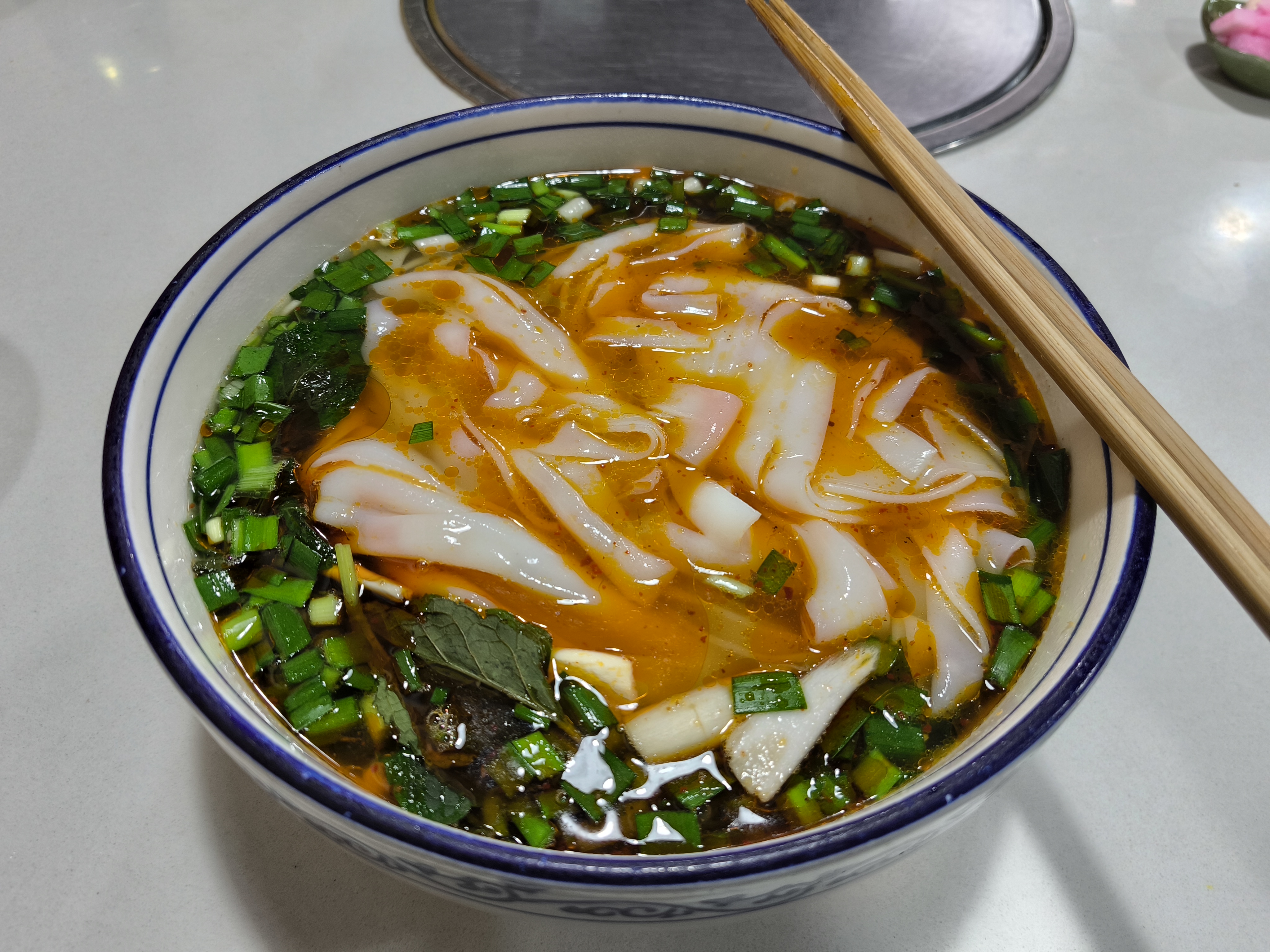
Chinese food is easiest to plan by region. A first-time visitor does not need a complete cuisine encyclopedia; they need to know which meals are worth building into the route. Beijing is about roast duck, old-city snacks, and hot pot. Xi’an is about noodles, lamb, bread, and Muslim Quarter street food. Shanghai is strongest at breakfast and delicate snacks. Chengdu and Chongqing are for heat, oil, peppercorn, and late-night hot pot. Guangzhou is morning tea and dim sum. Yunnan is mushrooms, rice noodles, herbs, tea, and market eating.
Regional Food Map For Travelers
| Region | Base City | Eat This | Best Meal Slot | Watch Out |
|---|---|---|---|---|
| Beijing | Dongcheng, Qianmen, hutong areas | Roast duck, mutton hot pot, zhajiang noodles | Dinner | Tour-group duck restaurants |
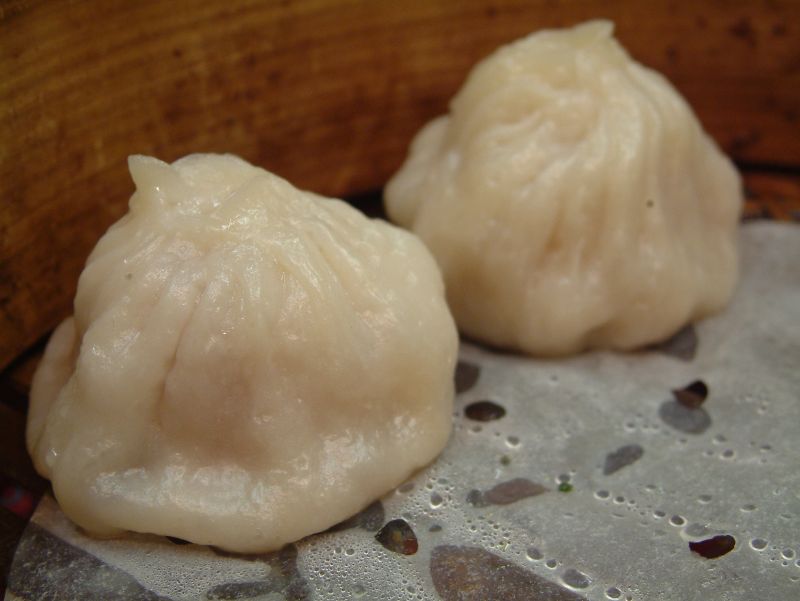
| Shanghai | People’s Square, Huanghe Road, old lanes | Xiaolongbao, shengjianbao, scallion oil noodles | Breakfast or lunch | Overpriced Bund-view meals |
| Xi’an | Inside city wall, Muslim Quarter edge | Biangbiang noodles, roujiamo, paomo, skewers | Evening | Eating only on the busiest main street |
| Chengdu | Kuanzhai, Yulin, neighborhood hot pot streets | Hot pot, chuanchuan, mapo tofu, tea snacks | Dinner and late night | Underestimating spice and oil |
| Guangzhou | Yuexiu, Liwan, Tianhe | Dim sum, roast goose, claypot rice | Morning tea | Arriving too late for classic dim sum rhythm |
| Yunnan | Kunming, Dali, Lijiang | Crossing-bridge rice noodles, mushrooms, Pu’er tea | Lunch | Wild mushrooms without local guidance |
Beijing: Eat Old-City Food, Not Just Duck
Roast duck is worth doing once, but the better Beijing food day includes a hutong breakfast, noodles at lunch, and mutton hot pot or duck at dinner. Pick restaurants by neighborhood convenience rather than chasing a viral name across town. If you visit Forbidden City and Jingshan, keep dinner near Dongcheng or Qianmen instead of crossing the city at rush hour.
Shanghai: Breakfast Is The Point
Shanghai food rewards early starts. Shengjianbao, xiaolongbao, scallion oil noodles, soy milk, and wontons work best as a breakfast or lunch plan before museums, the Bund, or the Former French Concession. Dinner can be good, but many visitors overpay for skyline dining and miss the local rhythm.
Xi’an: Go For Noodles And Night Energy
Xi’an is one of the easiest food cities for travelers because the best eating fits naturally after sightseeing. Do Terracotta Warriors or the city wall by day, then use the evening for noodles, roujiamo, skewers, and paomo. The Muslim Quarter is useful, but the most crowded strip is not automatically the best food. Walk side streets and eat where turnover is high.
Chengdu And Chongqing: Spice With A Plan
Hot pot is the headline, but do not make every Sichuan meal a heavy hot pot meal. Mix in mapo tofu, dandan noodles, rabbit, tea-house snacks, and neighborhood skewers. If you are not used to chili oil and Sichuan peppercorn, start medium and order plain rice, vegetables, and a cooling drink. For Chongqing, expect a louder, oilier, late-night rhythm.
Guangzhou: Morning Tea Is A Schedule
Dim sum is not just dumplings; it is a morning social rhythm. Go earlier, order tea, and treat the meal as breakfast plus lunch. Roast goose and claypot rice make better later meals. If you only have one day, combine dim sum with old Liwan streets or Shamian rather than a cross-city restaurant hunt.
Yunnan: Mushrooms, Rice Noodles, Tea
Yunnan food is excellent for travelers who want herbs, lighter broths, rice noodles, and market ingredients. Kunming is the easiest place for crossing-bridge rice noodles and mushroom restaurants. Dali and Lijiang add Bai and Naxi flavors. The one caution is wild mushrooms: eat them at reputable places and avoid improvising from market stalls without local guidance.
What To Skip
- Skip generic hotel breakfast when the city is known for breakfast food.
- Skip restaurants chosen only for a view unless the view is the point.
- Skip extreme spice on your first Sichuan meal.
- Skip long taxi rides for one famous dish if the same food is strong in your current district.
- Skip uncrowded seafood or mushroom stalls with poor turnover.
How To Build Food Into A Route
Plan one anchor meal per city, then let smaller meals fill the day. Beijing gets a duck or hot pot dinner. Shanghai gets breakfast. Xi’an gets an evening food walk. Chengdu gets hot pot plus one teahouse or snack meal. Guangzhou gets morning tea. Yunnan gets rice noodles and mushrooms. This structure gives the trip food identity without turning every day into a restaurant checklist.